Design is no longer trying to please everyone. In 2026, it is increasingly choosing something else to be heard. After a long period of visual sterility, excessive neatness, and the endless repetition of familiar techniques, design is finding its voice again. This voice is uneven. Sometimes sharp. Sometimes quiet. But almost always personal. And that is exactly what makes it convincing.
Today, design is no longer about surface effect. It is about perception, mood, identity, and emotional response. It stops acting as a decorative shell and once again becomes a true means of communication direct, expressive, and intentional.
Humanity, Imperfection, And The Return Of The Hand Trail
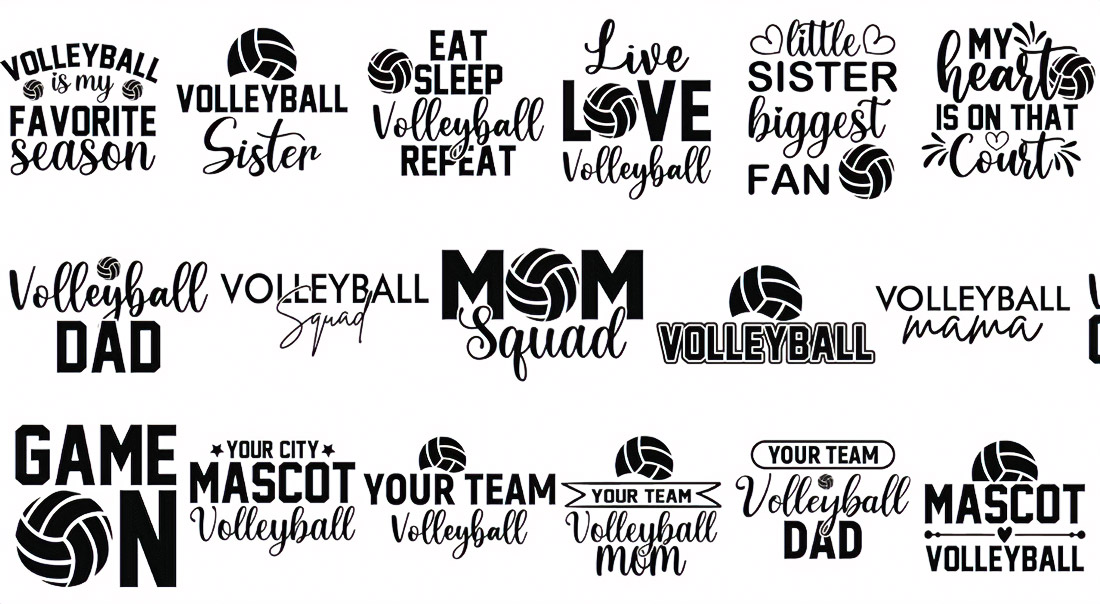
One of the most noticeable shifts is the growing interest in visuals that clearly look man-made.
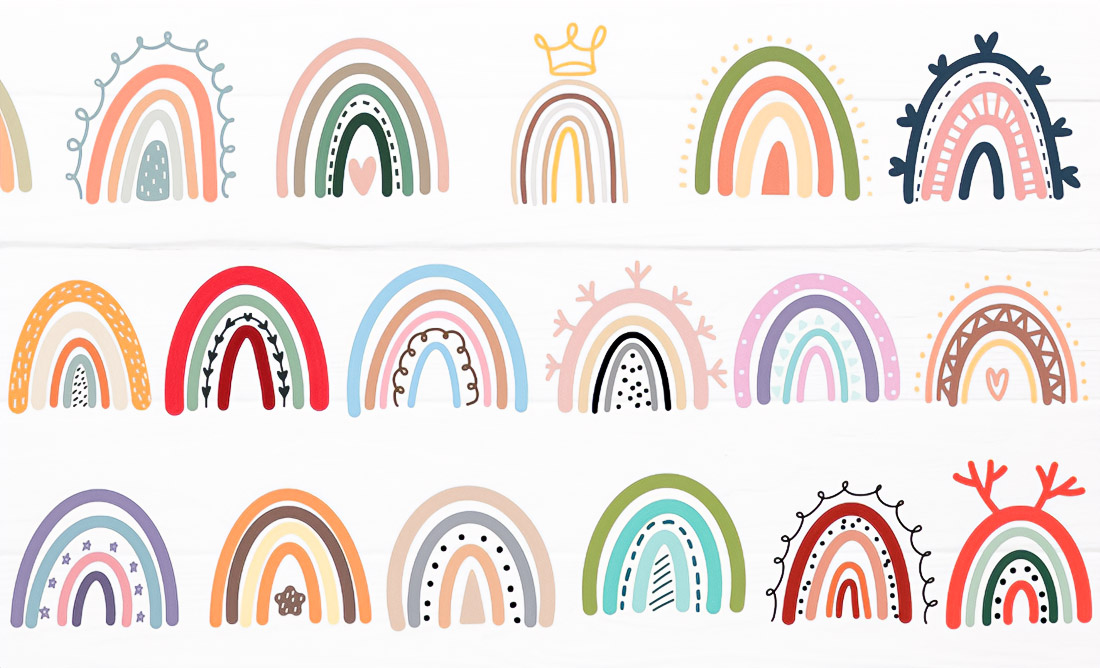
Not neat. Not polished. Present. Interest in manual, imperfect visual elements has grown by about 30%, and this is not accidental. It is a direct reaction to visual overload, growing uniformity, and the persistent feeling that everything already looks the same, even across many graphic design resources that rely on identical visual logic. When perfection becomes the default, imperfection starts to matter.
Uneven lines, visible texture, grain, noise, and traces of tools bring materiality back into design even when it exists only on a screen. These elements strengthen authenticity, create visual depth, and shorten the distance between the object and the viewer. The work feels closer, more tangible, more human.
At the same time, another reality remains important. About 60% of designers use algorithmic tools at the early stages of their work to explore ideas, directions, and possibilities. But the final decision is still made by a person. A human sets the tone, chooses the rhythm, and builds the narrative. This is how a hybrid approach emerges, where speed does not erase character.
Emotional Design And Typography As A Voice
In 2026, design is becoming less neutral and less cautious. It is no longer hiding. It speaks. More than 64% of designers note the direct influence of social and cultural change on visual decisions. This influence is felt immediately in color, composition, contrast, and atmosphere. Emotional design moves to the foreground because understanding alone is no longer enough. The viewer needs to feel.
Color palettes grow deeper and more confident. Contrast becomes bolder. Light and shadow act as expressive tools rather than decoration. Space, pauses, and visual silence gain importance. A cinematic sense of mood appears, allowing the design to breathe.
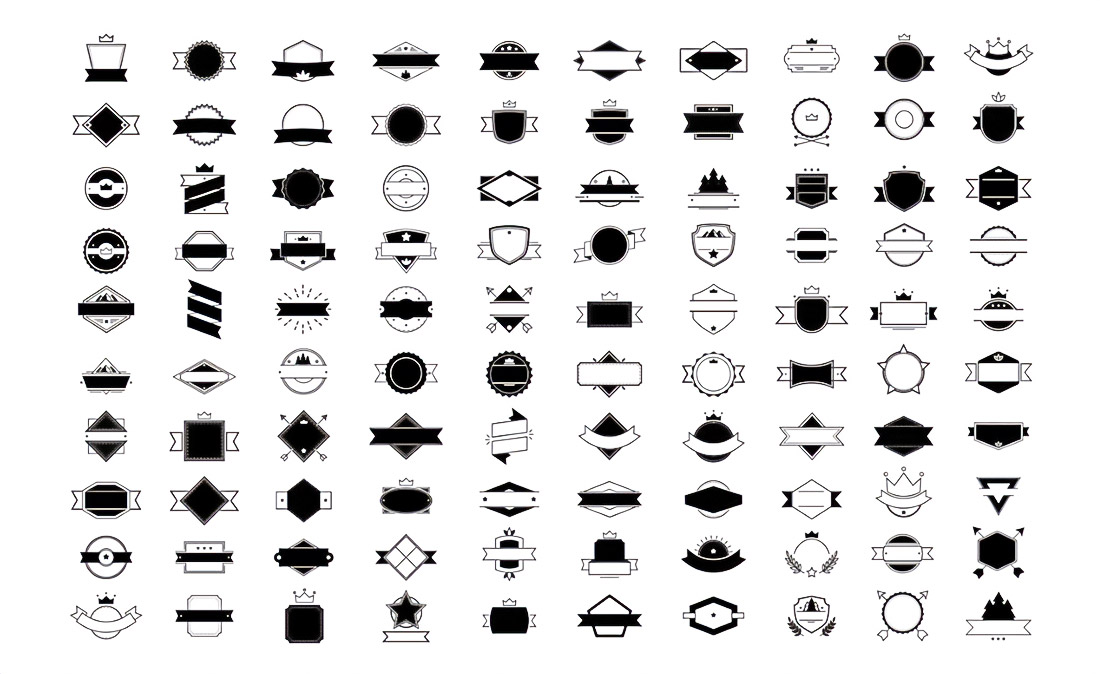
Typography plays a special role in this shift. It stops being a purely functional element and turns into a voice. Fonts become expressive, sometimes rough, sometimes naive, sometimes deliberately awkward. Scale, density, and rhythm change. Text is no longer simply read. It is experienced. It shapes character, reinforces identity, and carries meaning.
Flexible Systems, Textures, And The Mixing Of Eras
Composition is changing as well. Rigid grids are gradually giving way to flexible, modular systems. Elements can shift, overlap, and change hierarchy depending on context. This makes design more alive and adaptive, especially in an environment where formats constantly evolve.
Textures become essential. Growing interest in grain, noise, and tactile effects is visible across multiple directions at once. These techniques add depth, reduce flatness, and restore a sense of form. They remind the viewer that design can feel physical, even when it is not.
At the same time, work with nostalgia intensifies but not in a direct or literal way. Eras begin to mix. Retro motifs merge with modern compositional approaches. Familiar visual codes are reinterpreted and start working differently. The result is a balance between recognition and novelty, memory and movement forward.
Design in 2026 is not a collection of trends. It is a system of decisions. It is valued not for perfection, but for character, recognisability, and meaning. The strongest projects emerge where technology does not replace intuition, but strengthens it. Where form serves content, not the other way around. And this is precisely why design is learning how to feel again.

I like to give reasonable advice on budgeting to people with any income level. I currently live in Portland, Oregon and am available for freelance assignments and speaking engagements.